10 September 2026
Social Connection in Neuro-UX: How Human Touch Drives Trust
The Commuter's Paradox in behavioral science reveals that humans systematically misjudge the value of social interaction, incorrectly assuming isolation is more comfortable than reaching out. By designing low-friction human touchpoints into digital choice architecture, platforms overcome user hesitation, reduce decision anxiety, and build lasting emotional equity before System 2 skepticism induces churn.
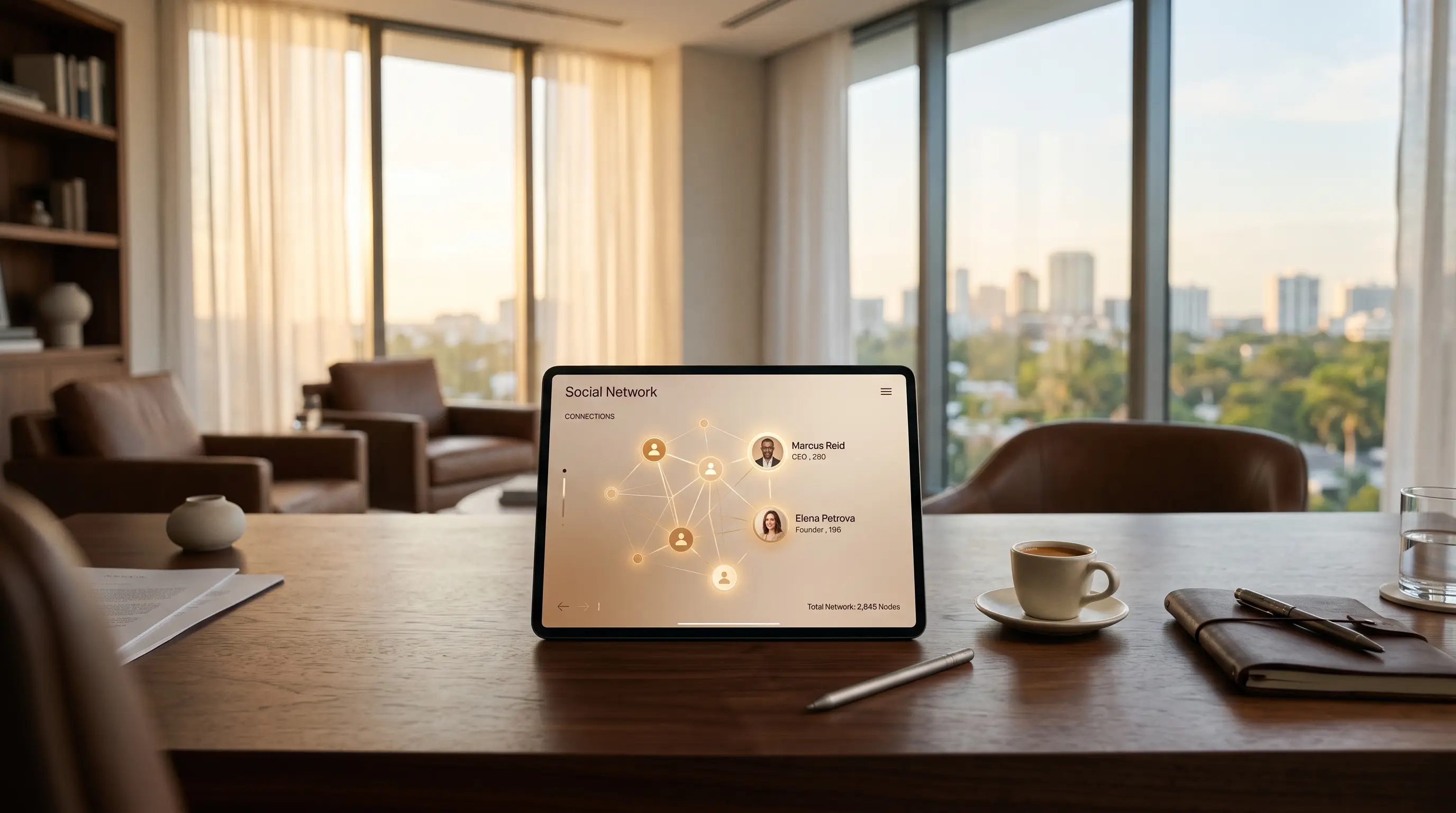
Across fintech, enterprise software, and consumer digital platforms, product teams have spent the past decade pursuing a single goal: frictionless self-service. In the race to eliminate customer touchpoints, companies replaced human conversation with automated FAQ trees, predictive chat agents, and silent self-onboarding. Yet growth leaders are discovering a troubling counter-effect. While self-service reduces short-term operational expense, it often erodes long-term customer trust, engagement, and retention.
The Behavioral Mechanics of Undersociality
In Choiceology (September 7, 2026), behavioral scientist Nicholas Epley shares findings from his research at the University of Chicago. When commuters were instructed to talk with a stranger, they anticipated awkwardness and cold rejection. Instead, both the initiator and the recipient experienced elevated mood, connection, and psychological well-being. Epley terms this phenomenon undersociality: an affective forecasting error where our intuitive System 1, as defined by Daniel Kahneman in Thinking, Fast and Slow, miscalculates the social threshold.
In digital environments, this exact cognitive bias causes users to suffer in silence when navigating complex financial decisions, software setup, or high-stakes onboarding. When users face unexpected friction, they do not default to exploring help documentation. They drop off.
Epley proves the "Commuter's Paradox": while riders predict that solitude will be more pleasant, those randomly assigned to talk with a stranger report significantly higher happiness, psychological warmth, and mental clarity. In digital platforms, this bias leads to "undersociality," where customers avoid asking questions during high-stakes financial or onboarding moments, leading to unnecessary confusion and premature churn.
How World-Class Brands Operationalize Humanized Choice Architecture
Charles Schwab: Hybrid Choice Architecture in Wealth Advisory
In Nudge, Richard Thaler and Cass Sunstein emphasize that choice architecture should guide users toward better outcomes without eliminating freedom of choice. Charles Schwab operationalizes this through hybrid wealth models. Rather than forcing clients into either a purely digital robo-advisor or an intimidating private wealth consultation, Schwab introduces low-pressure, conversational check-ins. Lowering the outreach threshold allows investors to overcome the fear of asking basic questions, deepening long-term asset retention.
Apple: The Genius Bar & The Primal Brain
In The Persuasion Code, Christophe Morin and Patrick Renvoise demonstrate that the primal brain craves human face-to-face reassurance and tangible safety cues. While competitor retail stores push customers toward automated ticket kiosks, Apple places human specialists directly in front of the customer. The Genius Bar removes the social intimidation of troubleshooting technology, turning a potentially frustrating service breakdown into a high-trust brand loyalty anchor.
Wealthfront: Proactive Reassurance During Market Volatility
In Using Behavioral Science in Marketing, Nancy Harhut highlights how loss aversion creates extreme emotional stress during financial drawdowns. Purely automated platforms leave users to stew in their own anxiety, triggering panic withdrawals. Forward-thinking fintech platforms mitigate this by delivering warm, proactive video explanations and direct advisor access precisely when volatility spikes. Providing human context de-escalates panic before users make irreversible financial mistakes.
Chewy: Deliberate High-Touch Empathy
In Stephen Wendel's CREATE framework (Designing for Behavior Change), the Reaction and Evaluation phases determine whether a customer stays committed to a platform. While most e-commerce brands automate customer support entirely, Chewy empowers agents to write handwritten holiday notes and send flowers when a customer's pet passes away. This radical human touch triggers profound reciprocity, generating unmatched customer lifetime value.
Strategic Takeaways for Growth & Product Leaders
Lower the Outreach Barrier: Replace sterile contact forms with warm, low-friction entry points that normalize asking questions.
Identify Vulnerable Decision Nodes: Audit your digital funnel for high-anxiety moments where automated self-service induces abandonment.
Blend Digital Speed with Human Reassurance: Use automation for transactional efficiency, but keep human expertise easily accessible when stakes are high.
Questions & answers
- What is the Commuter's Paradox in consumer psychology?
- The Commuter's Paradox is an affective forecasting error where individuals mistakenly predict that solitude will be more pleasant than talking to others. In reality, brief social connections significantly increase happiness, trust, and well-being.
- Why do purely automated self-service funnels increase customer churn?
- When users encounter confusion or anxiety in high-stakes decisions, self-service leaves them isolated. Without a low-friction way to connect with a human, users experience decision fatigue and quietly abandon the platform.
- How can digital platforms overcome user undersociality?
- Platforms can lower social friction by offering proactive conversational prompts, clear advisor availability, and empathetic micro-copy that reassures users their questions are welcome.