28 July 2026
Neuro-AI Synergy: Decoding Subconscious Intent in Digital Touchpoints
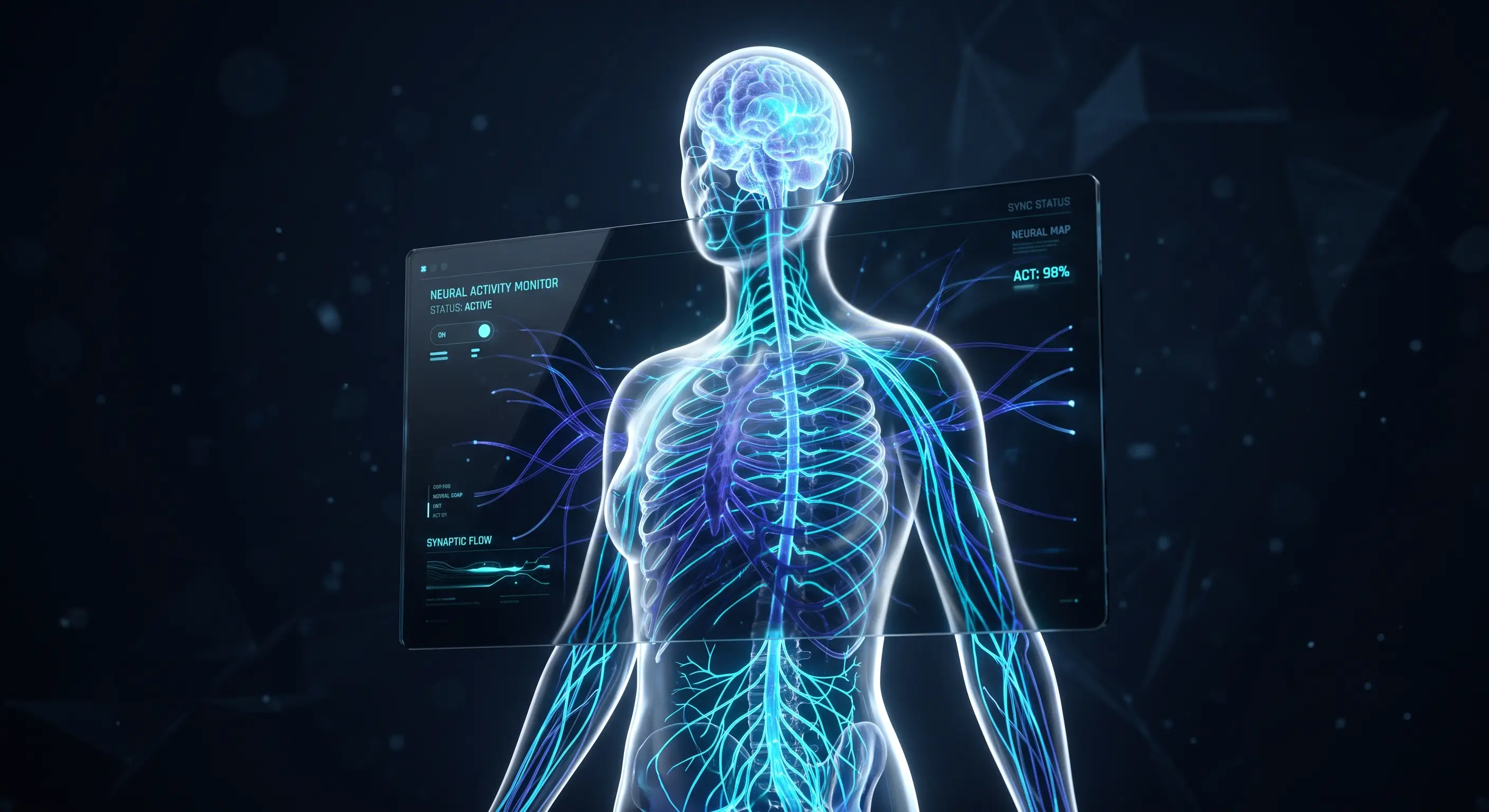
As artificial intelligence models become increasingly integrated into digital marketing ecosystems, a new frontier is emerging at the intersection of machine learning and consumer neuroscience. Traditional digital personalization relies on historical behavioral logs—such as past clicks or purchase histories—which often lag behind real-time consumer intent. However, recent empirical research in consumer neuroscience demonstrates that integrating non-invasive biometric monitoring (e.g., eye-tracking and functional near-infrared spectroscopy) with predictive AI models enables brands to evaluate subconscious cognitive load and emotional activation in real time.
Key Research Findings
A 2026 research synthesis published in Frontiers in Human Neuroscience — Consumer Neuroscience Review (2026) highlights how real-time cognitive feedback reshapes consumer decision-making:
System 1 Emotional Priming: Subconscious affective responses occur within 100 milliseconds of exposure to a digital stimulus—long before conscious System 2 reasoning evaluates pricing or features.
Dynamic Friction Reduction: Machine learning models trained on pupil dilation and micro-fixations can identify precise moments of cognitive overload, allowing interfaces to dynamically simplify choice architecture before user bounce occurs.
Implicit Value Framing: Presenting high-contrast visual cues and tangible problem-solution narratives aligns with the primal brain's demand for immediate clarity, boosting conversion intent without triggering defensive rationalization.
Strategic Marketing Takeaways
To leverage Neuro-AI principles in your digital strategy:
Optimize First-Fixation Assets: Ensure hero banners and primary call-to-action buttons feature high contrast and minimal visual clutter to capture immediate System 1 focus.
Structure Ethical Nudges: Design choice environments that simplify complex comparisons using intuitive defaults rather than artificial friction.
Align Touchpoints with Primal Stimuli: Lead with emotional contrast and personal relevance before delivering detailed specs or technical documentation.
Questions & answers
- What is Neuro-AI synergy in modern marketing?
- Neuro-AI synergy is the strategic integration of neuromarketing frameworks—such as System 1 emotional processing—with real-time artificial intelligence algorithms. While AI excels at analyzing micro-level behavioral patterns and data streams, neuromarketing provides the psychological principles needed to interpret that data accurately. Combining both fields allows organizations to deliver personalized experiences that resonate with subconscious human drivers.
- How does Neuro-AI synergy improve digital personalization?
- Neuro-AI synergy enables dynamic interfaces to adapt messaging, visual contrast, and option framing based on cognitive state indicators. Instead of relying solely on demographic segments, AI models leverage behavioral triggers to present content aligned with System 1 attention hooks. This real-time alignment boosts user engagement while reducing cognitive friction.
- Why is psychological framing necessary when deploying marketing AI algorithms?
- Without psychological framing, machine learning models risk optimizing for short-term clickbait or noise rather than sustainable customer lifetime value. Neuromarketing principles ensure AI algorithms operate within proven cognitive architectures like loss aversion, reciprocity, and social proof. This structure guarantees that automated campaigns build genuine brand equity alongside performance metrics.