4 August 2026
Digital Era Neuromarketing: How Neuroscience Drives Choice
Recently I ran into the following research paper: Neuro-Marketing in the Digital Era: A Review of Neurological and Behavioral Insights in Consumer Decision-Making. This systematic research synthesis examines how non-conscious biometric analytics—such as functional magnetic resonance imaging (fMRI), electroencephalography (EEG), eye-tracking, and facial coding—decode real-time emotional activation and cognitive friction during digital brand interactions. The study highlights that because 95% of consumer choices originate in System 1 processing, brands that structure digital environments around non-conscious cognitive triggers achieve significantly higher conversion rates and long-term brand attachment than those relying on traditional self-reported survey data.
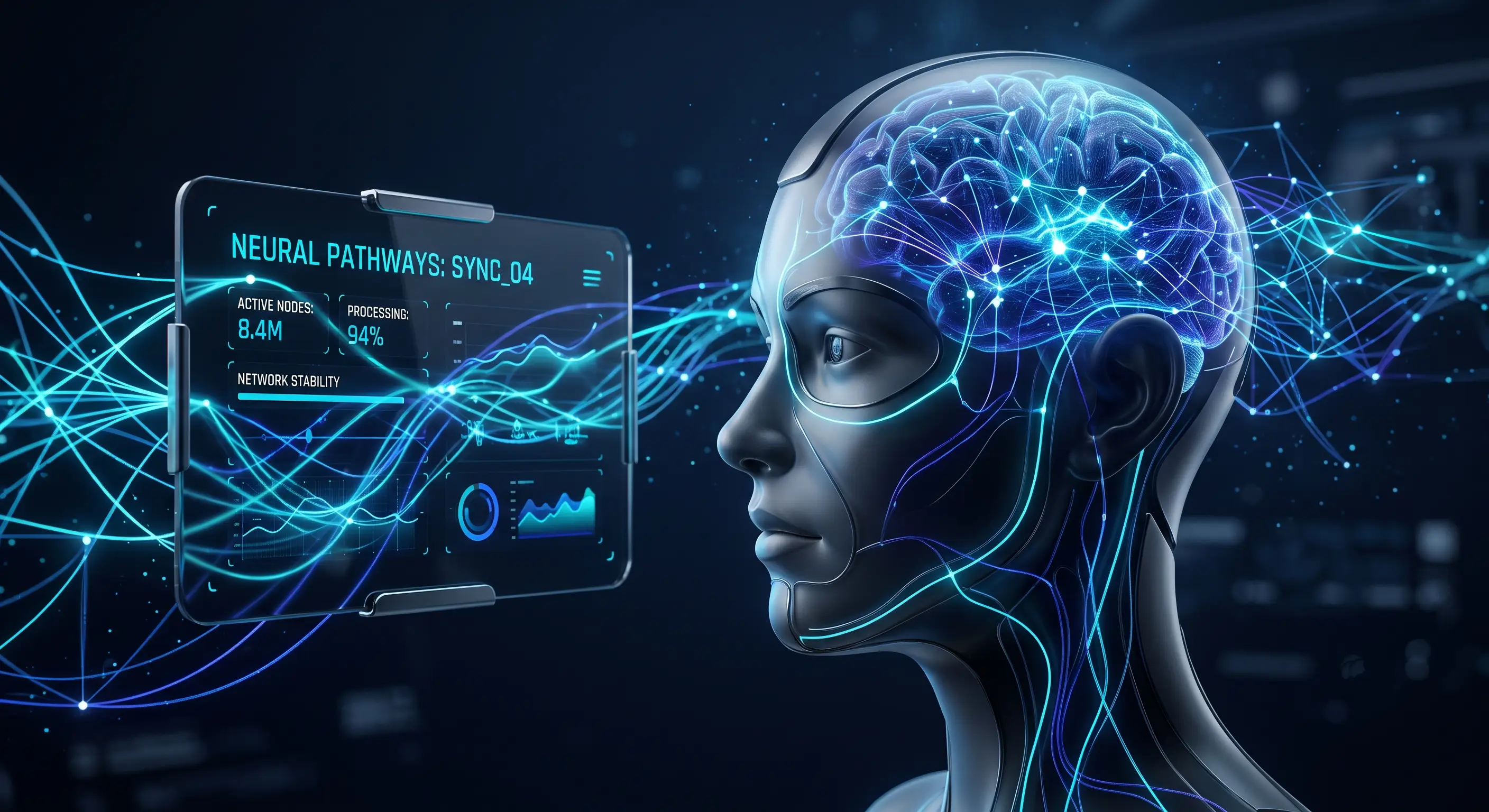
In today's hyper-connected marketplace, consumers make thousands of rapid micro-decisions every day. Traditional market research relied almost exclusively on post-hoc surveys and focus groups—methods that measure conscious, deliberative System 2 reflection. However, as Daniel Kahneman demonstrated in Thinking, Fast and Slow, consumer behavior is governed primarily by System 1: a fast, automatic, and emotionally driven cognitive network.
Digital era neuromarketing combines non-conscious biometric measurement—such as eye-tracking, facial coding, and EEG—with behavioral choice architecture. By mapping System 1 emotional responses and eliminating cognitive friction, brands optimize digital touchpoints to guide consumer decisions before System 2 deliberative skepticism intervenes.
How Global Brands Operationalize Digital Neuromarketing
1. Nike & The Primal Brain
In The Persuasion Code, Christophe Morin and Patrick Renvoise demonstrate that the primal brain responds immediately to six core stimuli, led by personal pain, sharp contrast, and visual storytelling. Nike applies this by creating visceral visual campaigns that bypass technical product specifications to focus directly on emotional ambition and personal struggle, triggering instant System 1 resonance.
2. Amazon & Procedural Friction Reduction
In Designing for Behavior Change, Stephen Wendel outlines the CREATE model (Cue, Reaction, Evaluation, Ability, Timing). Amazon's 1-Click Ordering revolutionized digital conversion by addressing the "Ability Check" phase. By eliminating shopping cart navigation, address verification, and payment re-entry, Amazon removes cognitive friction at the precise moment of purchase intent, preventing System 2 from rationalizing discretionary friction.
3. Spotify & Social Proof Framing
Nancy Harhut’s Using Behavioral Science in Marketing emphasizes the power of social proof and loss aversion. Spotify’s "Wrapped" campaign transforms personal listening data into vibrant visual cards. By showcasing individual milestones, Spotify leverages social validation and fear of missing out (FOMO), turning user data into a high-converting viral acquisition loop.
4. Netflix & Automated Choice Architecture
In Nudge, Richard Thaler and Cass Sunstein detail the impact of default choices. Netflix designs its digital interface around intelligent defaults, automatically playing trailer previews and queuing the next episode. By eliminating decision points, Netflix keeps users locked in an effortless viewing habit loop.
Strategic Takeaways for Marketing Leaders
Design for System 1 Primacy: Lead with bold visual contrast and acute pain points before delivering technical specifications.
Architect Seamless Defaults: Use pre-selected options to guide consumers along the path of least resistance.
Eliminate Micro-Friction: Continuously audit digital checkout flows to remove procedural steps that trigger decision fatigue.
Questions & answers
- How does neuromarketing improve digital customer conversion rates?
- Neuromarketing optimizes user interfaces by targeting System 1 cognitive processing. By reducing visual clutter, setting smart default choices, and addressing acute customer pain points, brands lower cognitive load and drive higher conversion rates.
- What role do cognitive biases play in online decision-making?
- Cognitive biases like loss aversion, social proof, and default bias act as mental shortcuts (heuristics) for online shoppers. When digital choice architectures align with these biases, consumers make faster, lower-friction purchasing decisions.
- Why are biometric tools more effective than traditional consumer surveys?
- Traditional surveys rely on conscious self-reporting (System 2), which is prone to recall bias. Biometric tools—such as eye-tracking and EEG—measure non-conscious, real-time emotional activation (System 1) as interactions occur.